
Jan 10, 2026
4 min read
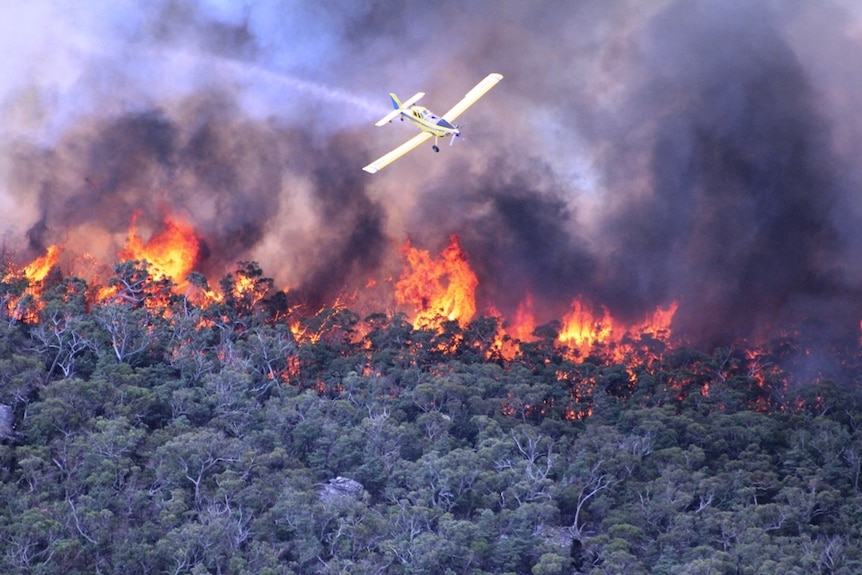
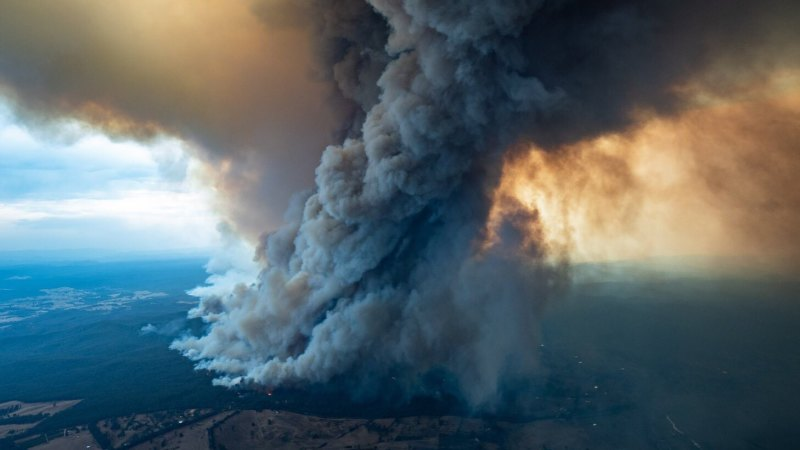
Victoria’s bushfire season has intensified, and the 2026 fire events highlighted a critical weakness. Communication networks collapsed when they were needed most.
During the January 2026 bushfires, power outages knocked out 26 ISP‑managed network sites across the region, leaving residents, emergency services, and local councils without reliable voice, data, or alert capabilities. These failures hampered coordinated evacuations, delayed situational awareness, and increased the risk to both civilians and first‑responder's. Ensuring resilient, always‑on communications is therefore a top priority for the Victorian government’s disaster‑management strategy.
The Problem
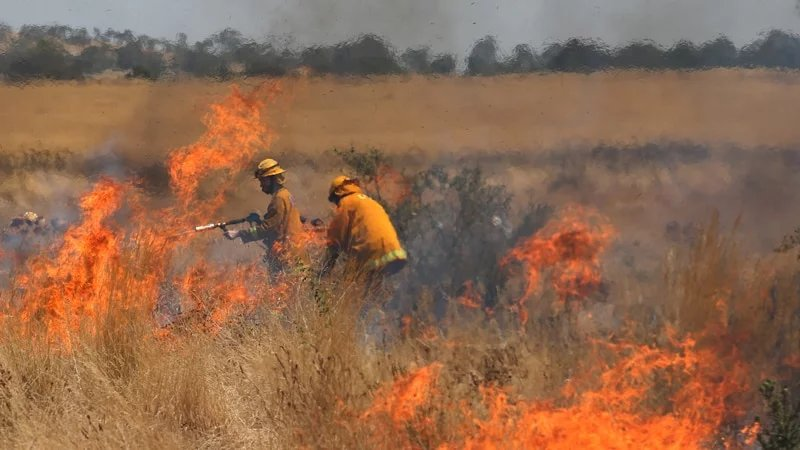
Traditional telecommunications rely on grid‑powered base stations, fibre back‑haul, and centralised routing hubs. When bushfires destroy power lines or damage tower infrastructure, the entire service chain collapses.
The 2026 incident demonstrated several cascading effects:
- Loss of public alerts: Emergency broadcast messages could not be pushed to mobile devices, forcing authorities to rely on radio and manual door‑to‑door warnings.
- Impaired coordination: Police, fire‑and‑rescue teams lost real‑time video feeds from drones and telemetry from field sensors, slowing response times.
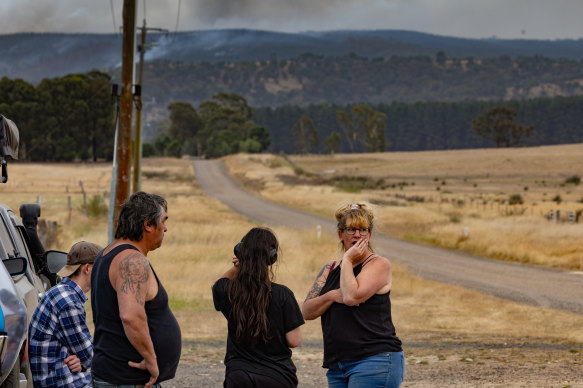
- Community isolation: Rural households, already marginalised by spotty coverage, were completely cut off, hindering self‑evacuation and access to welfare hotlines.
These outcomes mirror earlier Victorian bushfire analyses, which identified power‑line vulnerability, limited backup generators, and insufficient redundancy as systemic issues.
Native Node’s Off‑Grid Solution
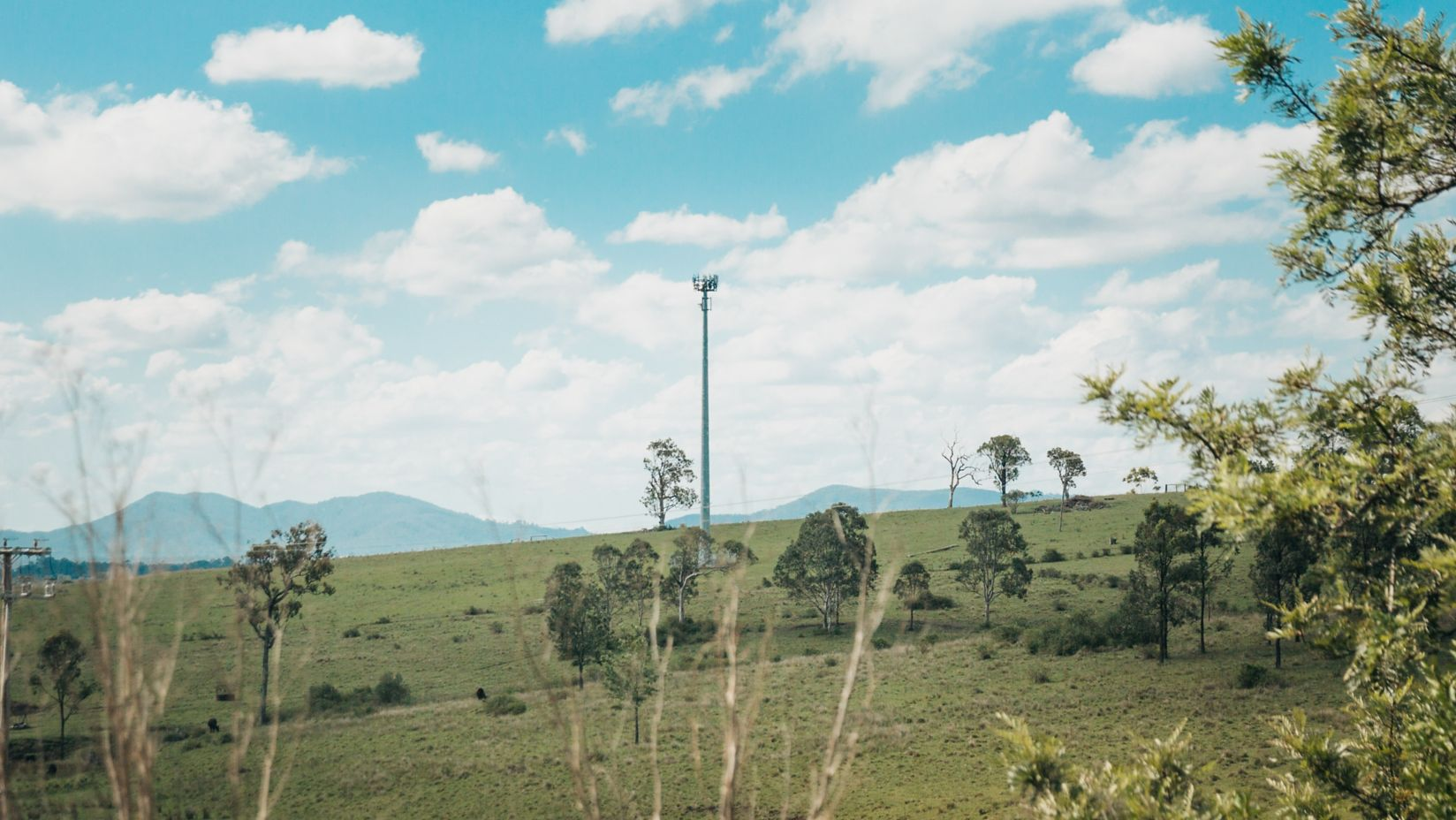
Native Node is developing portable, solar‑powered “Off‑Grid Network Nodes” that create autonomous LTE/5G micro‑cells capable of operating independently of the mains grid.
Key technical attributes include:
Power: Integrated solar panel with lithium‑ion battery bank providing up to 48 h continuous operation under typical load.
Radio: LTE‑Advanced carrier aggregation; optional 5G NR sub‑6 GHz module for higher throughput.
Back-haul: Satellite uplink or microwave point‑to‑point links; fallback to mesh Wi‑Fi for intra‑node routing.
Durability: IP66 enclosure, heat‑resistant housing rated to 60 °C, fire‑retardant composites.
Deployment time: One‑person setup within 30 minutes; automated self‑configuration via embedded orchestration software.
Management: Remote monitoring dashboard with battery, solar input, and link‑quality metrics.
The nodes are deliberately “bare‑bones” they omit non‑essential services to maximise reliability, a design philosophy highlighted on the company’s homepage. By generating their own power and leveraging satellite back‑haul, they remain functional even when the terrestrial grid is destroyed.
Key Benefits
For Victorian Government Emergency Services
- Continuity of alerts: LTE broadcast channels remain active, enabling mass SMS and push notifications without reliance on external carriers.
- Real‑time situational data: Sensors (temperature, smoke, wind) can feed directly to command centres via satellite, supporting predictive modelling.
For Local Communities
- Self‑service connectivity: Residents retain voice and data access for personal safety checks, family contact, and accessing online evacuation maps.
- Community resilience: Nodes can be shared among neighbourhoods, forming a mesh that expands coverage as more units are deployed.
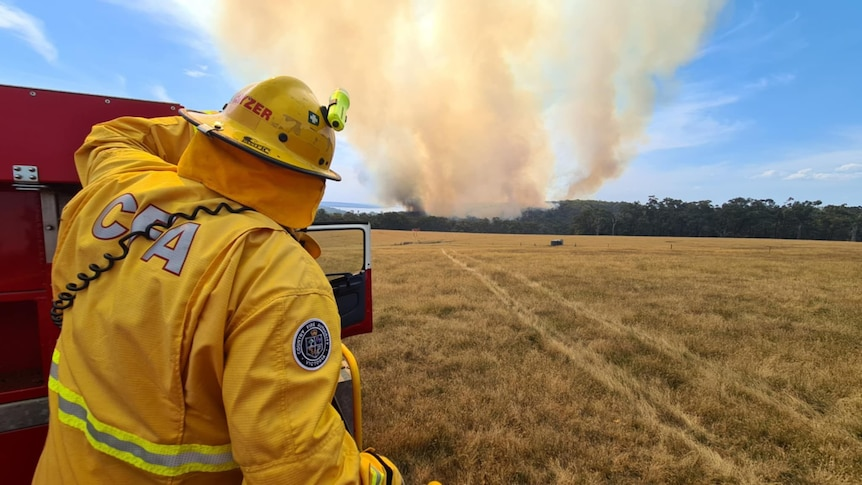
For First Responder's
- Secure, low‑latency voice: Dedicated LTE slices ensure priority traffic for radios and body‑cam streams.
- Rapid field deployment: Portable kits fit in a standard vehicle rack, allowing teams to establish a comms hub within minutes of arriving on scene.
Long‑Term Infrastructure Resilience
- Reduced dependence on grid: Solar‑battery operation cuts fuel logistics and carbon emissions.
- Architecture scalability: Additional nodes can be added to increase capacity or extend coverage without re‑engineering the core network.
Use Cases
- Emergency Services Coordination: During an active fire front, a mobile command vehicle parks near the hotspot, powers up a Native Node, and instantly restores LTE for fire‑fighter radios, drone video uplink, and live GIS mapping.
- Community Evacuation Communications: In a rural township, a pre‑positioned node supplies SMS alerts to all registered phones, guiding residents to designated safe zones while the main tower remains offline.
- Post‑Disaster Recovery Operations: After the fire subsides, the node continues to host a temporary broadband hotspot, enabling damaged businesses to access cloud‑based accounting and insurance portals, accelerating economic recovery.
- Ongoing Monitoring of High‑Risk Zones: Nodes installed permanently on the periphery of fire‑prone national parks feed temperature and humidity data to the State Emergency Service (SES), supporting early‑warning models.
Implementation Considerations
Cost: Each node kit (hardware, solar array, battery, satellite modem) is priced around $15, 000 (based on publicly disclosed vendor quotations). Bulk procurement and government‑level licensing could reduce unit cost by 15‑20 %.
Maintenance: Annual battery health checks and solar panel cleaning are required; the remote monitoring platform flags any deviation from nominal performance.
Regulatory: Operating LTE spectrum in off‑grid mode requires a temporary licence amendment from the Australian Communications and Media Authority (ACMA); however, the device’s low‑power profile fits within existing “radio communication device” categories.
Logistics: Nodes must be stored in fire‑rated containers and mounted on shock‑absorbing brackets to survive transport through rough terrain.
Final words
The 2026 Victorian bushfire underscored a stark reality - when power and telecom infrastructure fail, lives are put at greater risk. Native Node’s solar‑powered, satellite‑backed Off‑Grid Network Nodes offer a proven, technically robust pathway to restore and sustain communications when traditional networks are compromised.
Integrating these nodes into the state’s emergency‑management framework, through pre‑positioning, rapid‑deployment teams, and seamless interoperability with existing broadband assets, local communities can dramatically improve its resilience to future bushfire events, protect communities, and maintain critical coordination for first responder's.
All our thoughts are with people and communities that suffered during the Victorian bushfires this year.