
Jan 10, 2026
3 min read
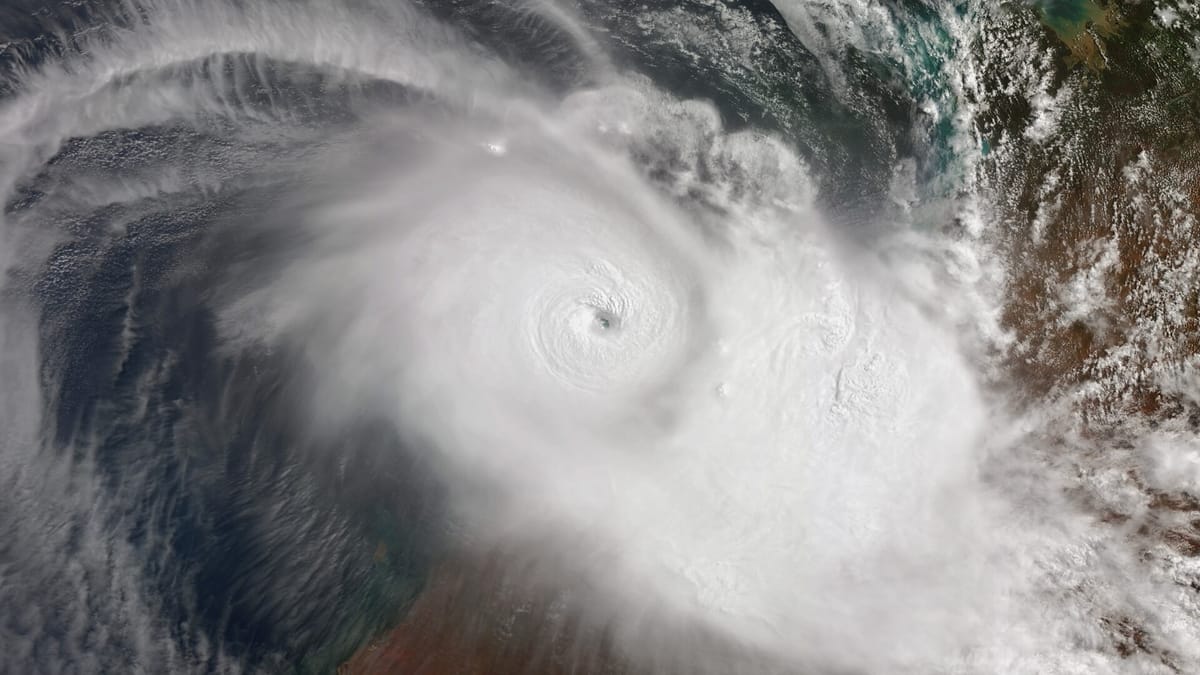
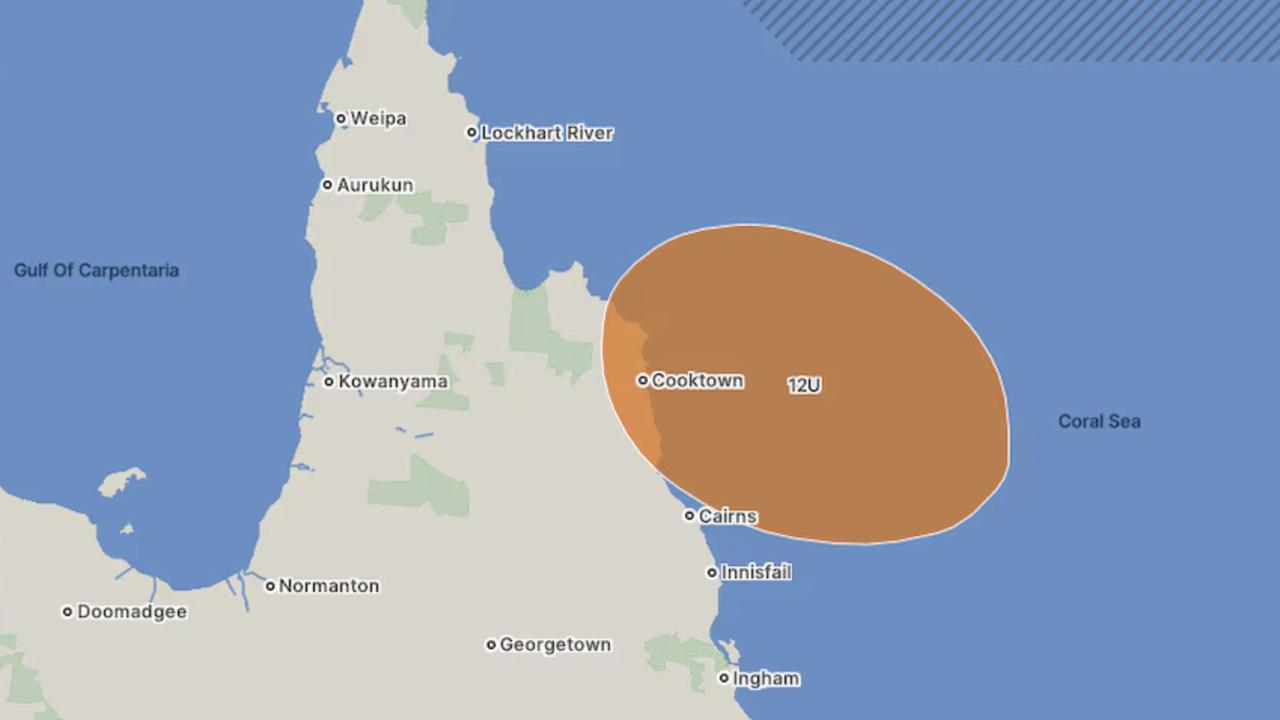
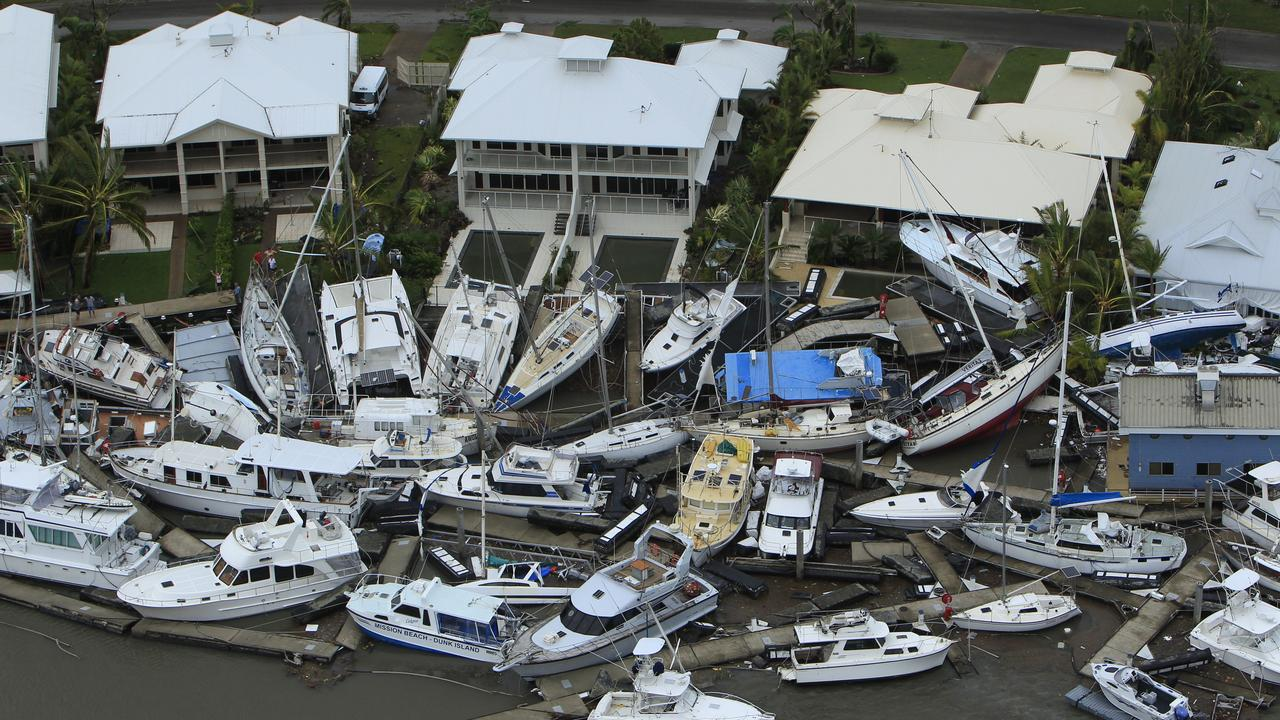
When a Category One tropical cyclone battered North Queensland in January 2026, power cuts and damaged cell towers left many coastal towns isolated. In that situation, Native Node’s portable off‑grid network nodes would have given councils a fast, reliable way to keep residents connected, disseminate vital information, and support community‑led recovery.
Why Traditional Networks Leave Communities Stranded In Natural Disasters
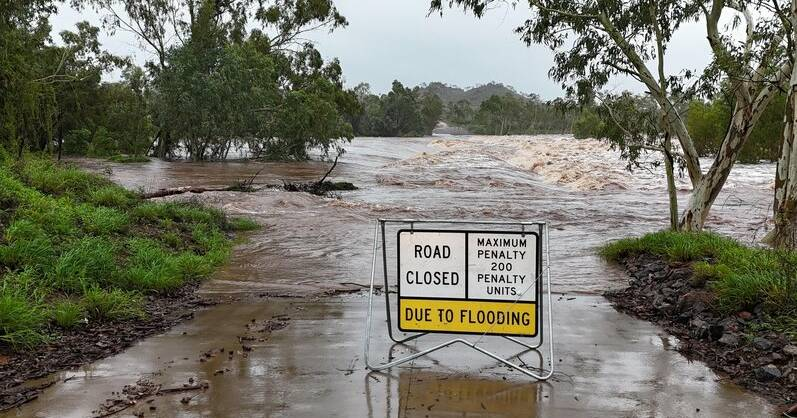
During the 2026 cyclone, many towns resorted to radio broadcasts and door‑to‑door visits, which slowed evacuation and left families unsure of the situation.
- Power outage: Towers lose electricity and generators run out quickly.
- Physical damage: Wind and debris topple antennas and break fibre back‑haul.
- Network congestion: A flood of emergency calls overloads the remaining capacity.
Community Impact
Residents can’t call family, access online alerts, or use banking apps, no internet or mobile service for schools, small businesses, and home‑based telephone health. When there is little service calls drop, messages are delayed, and people miss evacuation notices.
What Native Node’s Portable Off‑Grid Nodes Deliver
Our nodes feature solar power, battery storage, LTE/5G repeater, satellite back-haul, rugged housing, quick set-up and remote monitoring. Because the node creates its own power and uses satellite links, it stays online regardless of grid failures or damaged infrastructure.
What It Means for the Community
- Continuous operation for days without grid power; no fuel deliveries needed.
- Voice, SMS, WiFi calling and low‑latency data for everyday smartphone use.
- Internet connectivity even when terrestrial links are destroyed.
- Withstands high winds, rain, and salt‑air corrosion common on the coast.
- One person can power the node and have coverage in under 30 minutes.
- We can monitor to see battery health, signal strength, and usage stats in real time.
Direct Benefits for Communities & Local Councils
Instant Public‑Alert Delivery: Councils can push SMS and push‑notification warnings straight to every phone within the node’s footprint, ensuring that evacuation orders, shelter locations, and road‑closure updates reach residents instantly.
Maintaining Everyday Connectivity: Families keep contact with loved ones, students continue remote learning, and local businesses retain access to payment gateways and inventory systems, critical for keeping the local economy afloat during and after the storm.
Community‑Led Information Hubs: Council‑run kiosks or community centres can tap the node’s Wi‑Fi to host live maps, weather feeds, and FAQ pages, turning a single location into a trusted information hub for the whole neighbourhood.
Supporting Volunteer Networks: Local volunteer groups (e.g., Rural Fire Service auxiliaries, neighbourhood watch) can coordinate via group chats and share real‑time photos of damage, speeding up clean‑up and resource allocation without relying on overloaded commercial networks.
Resilient Recovery Tools: After the cyclone passes, the node provides a stable broadband link for filing insurance claims, ordering replacement supplies, and accessing mental‑health helplines, helping residents rebuild faster.
Cost‑Effective, Coverage Scalability: A single node can cover a 3‑5 km radius, enough for most small coastal towns. Deploying a handful of nodes across a council’s jurisdiction creates overlapping coverage, eliminating dead zones without the expense of building permanent towers.
Bottom Line
The 2026 Cat 1 cyclone showed how quickly traditional telecoms can disappear, leaving communities isolated at a moment when clear communication is a matter of safety. Native Node’s portable off‑grid network nodes give local councils a self‑contained, solar‑powered LTE/5G solution with satellite back‑haul, enabling them to keep residents informed, maintain everyday connectivity, and empower community‑driven recovery.